Exercise And Take Supplements During COVID-19 -- Time To Boost Your Immunity
Mar 27, 2023
Abstract
The COVID-19 pandemic is causing catastrophic global morbidity and mortality. Measures are being taken around the world to prevent human-to-human transmission and to improve general health. Communal lifestyles and health are affected by social distancing and isolation. A strong host immune response to the novel coronavirus is a key factor in preventing infection and preventing the disease from progressing to a severe stage. Coronavirus-like pathophysiology and human immune responses have been previously described. The novel coronavirus has different clinical stages related to immune response. Exercise can improve the host's innate immunity and provide protection against viral infection. Exercise can also reduce the negative effects of isolation, including stress, anxiety and sedentary behaviour, all of which further lower immunity and increase the risk of non-communicable diseases. It makes perfect sense to improve host immunity and mitigate the negative effects of isolation through physical activity. During the current pandemic, exercise should be done at moderate intensity and in moderate amounts, as it is a nutritionally, psychologically and socially challenging environment in the presence of deadly viral organisms. At the same time in such an environment, but also appropriate supplement of nutrients to enhance the body's immunity. For example, take protein powder, propolis, cistanche, etc.
Keywords
COVID-19 pandemic; Cistanche; Sports exercise;Immunity
1. Introduction
The COVID-19 pandemic has led to increased morbidity and mortality globally. The main strategies adopted to slow its spread include social/physical distancing and hygiene, contact tracing, isolation, testing, surveillance and the promotion of immunity of individuals and the general public. The development of a vaccine is still in its infancy.
The clinical model of COVID-19 can be roughly divided into three phases: phase 1 -- asymptomatic incubation period, whether the virus is detected or not; Phase II - the period of non-severe symptoms in the presence of the virus; Stage III: Severe respiratory symptoms, high viral load, inflammation. Individuals in the first stage, most of whom are invisible carriers, are the most difficult to control because they may unknowingly spread the virus in the community; The reason is that the virus is highly contagious. According to statistics up to April 2020, about 15% of confirmed cases progress to the severe stage, with patients over 65 and those with pre-existing medical conditions at higher risk of death. While older adults have the highest mortality rates, the latest American Morbidity and Mortality Weekly Report reports that ICU admissions are high across all adult age groups.
Specific adaptive immune responses are required during the latent and non-severe phases to eliminate the virus and prevent the disease from progressing to the severe phase; To do this, the host should have a good genetic phenotype. Strategies to enhance the immune response based on immune defenses, such as experimental antiserums or cistanche extracts, and to suppress the immune response during the second inflammatory driven destruction phase are particularly important during this protective phase.
Even before infection, improving an individual's immune status through overall health improvements (e.g., improving existing physical fitness, proper nutrition, sleep, improved mental health) is an important public health intervention. People who are too lazy to exercise can take supplements to boost their immunity. Cistanche has immune-boosting properties. Both cistanche polysaccharide and creinoside can increase the enzyme activity of heart and brain tissue, enhance the phagocytosis function of abdominal cavity cells, and enhance the proliferative response of lymphocytes.

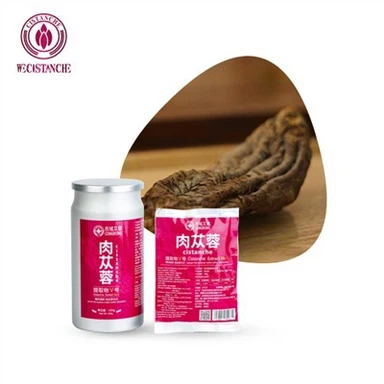
Pic: Faw Cistanche
1.1. Immune response – the critical innate immunity
With innate and adaptive responses, the human immune system is a highly complex network of cells and molecules designed to keep the host free from infection and disease. Currently, there is limited information about the host immune response to the novel coronavirus. Similar viruses are known to interfere with multiple steps of the initial innate immune response, according to previous research. The longer incubation period of novel coronavirus may be due to its immune evasion characteristic, which effectively evades host immune detection in the early stage of infection. Delay or inhibit type I IFN response and prolong viral duration exacerbates inflammatory responses and interrupts adaptive immune activation. These facts strongly suggest that the innate immune response to SARSCoV-2 may be a key factor in disease outcome.
1.2. Immune system and exercise
The profound effects of exercise on the proper functioning of the immune system have been well documented. While there is no scientific data on the effects of exercise on SARS-CoV-2, available evidence suggests that exercise protects hosts from viruses as diverse as influenza, rhinoviruses and herpes viruses.
In contrast to no exercise, acute exercise is known to stimulate the continuous exchange and redeployment of different and highly active immune cell subtypes between circulating and peripheral tissues, thereby enabling immune surveillance and enhancing innate immune responses. In particular, each aerobic exercise increased the antipathogen activity of tissue macrophages while enhancing the circulation of immunoglobulins, anti-inflammatory cytokines, neutrophils, immature B cells, and an influx of natural killer cells (NK) and CD8 + T cells. A similar pattern of changes in immune response was observed during moderate intensity resistance exercise training.
Acute and chronic moderate-intensity exercise can regulate excessive inflammation of the respiratory tract in a variety of ways. Through daily exercise, these acute changes can enhance immune defense activity, improve immune regulation, and improve metabolic health through the cumulative effect.
1.3. Immune system and diet
We usually say that immunity is the body's resistance to external viruses. Nowadays, with the continuous breeding and evolution of external microorganisms and germs to form viruses, the body is easy to be invaded by viruses when its own resistance is very low, which will induce the body to suffer from various diseases. The body's immunity should be improved through the intake of food to obtain nutrients. Cistanche contains litenin side, which significantly reduces MDA content in the heart, liver and brain tissue of D-galactose induced subacute aging model mice, significantly increases telomerase activity in the heart and brain tissue, enhances phagocytosis function of peritoneal macrophages, and significantly increases lymphocyte proliferation response and IL-2 content in peripheral blood. It showed that litenoside can enhance immune function.

Pic: Cistaches Extract
2. Social isolation, anxiety and increased disease risk
Isolation and restrictions from daily work, reduced daily demands/funding, insecurity and fear of contagion, isolation and stigma, and potential information overload can all lead to psychological stress and anxiety. This can boost corticosteroids such as cortisol, and can suppress many key functions of our immune system, increase the host's susceptibility to infection, and increase the risk of non-communicable diseases.
Research has shown that exercise can mitigate the negative effects of stress in order to maintain immune function, especially during prolonged isolation and incarceration. The astronaut study spent nearly six months during space travel, exercised physically prior to launch, had higher cardiorespiratory fitness and muscle endurance prior to launch, and had a better immune response compared to astronauts in poor health. Cistanche tubulosa can reduce MDA content in brain, heart and liver of immunocompromised animal models, and increase telomerase activity in heart and brain tissue, phagocytosis function of peritoneal macrophages, proliferation response of lymphocytes, IL-2 content in spleen T lymphocytes and calcium ion concentration in thymus cells. These indicators indicate that cistanche polysaccharide can enhance immune function.

Pic: Effects of cistanche improve immunity
3. Individuals exposed to COVID- 19
Providing detailed advice for the COVID-19 clinical population is beyond the scope of this review. While following the guidelines provided by governments and health authorities in each country, all exposed individuals can follow the American College of Sports Medicine :1) Quarantined but uninfected individuals - there is no recommendation to limit physical activity if there are no symptoms. If you develop symptoms, you should contact a qualified health care provider; 2) Quarantined person confirmed as infected -- infected but asymptomatic individuals can continue moderate intensity activities, but need to be guided by symptoms. Maintain isolation and physical distance to prevent the spread of coronavirus to others. If you develop symptoms, discontinue physical activity and notify your treating physician. We recommend that if you have been sedentary in the past, you tell your treating physician before you start exercising. 3) Early rehabilitation for critically ill patients -- The Novel Coronavirus Prevention and Treatment Manual 2020, compiled by the First Affiliated Hospital of Zhejiang University Medical College based on China's clinical treatment experience, recommends early rehabilitation for critically ill patients. This includes position management, breathing training and physical therapy. The goals of early rehabilitation interventions are to reduce breathing difficulties, relieve symptoms, relieve anxiety and depression, and reduce the incidence of complications.

Click here to enhance your immunity
4. Conclusions
The effectiveness of the human immune system plays a crucial role in preventing individuals from contracting the novel coronavirus and progressing to the severe stage. Exercise, as well as food supplementation, has a profound positive effect on immunity, particularly innate immunity, justifying current public health recommendations to promote physical activity and appropriate nutritional supplementation during COVID-19. The COVID-19 pandemic calls for unprecedented social distancing and stay-at-home orders to slow its spread. These measures can lead to a substantial decrease in physical activity and an increase in sedentary time. In addition, the negative psychological and social effects of isolation can suppress immune responses and metabolic health. There is some evidence that exercise and a supplement of cistanche extract can counteract these effects. To curb the long-term consequences of increased sedentary time, reduced physical activity and social isolation, widespread adoption of active lifestyles at home is needed. If successful, its adoption could have a positive impact on long-term physical activity habits once social distancing and stay-at-home mandates are lifted.
References
1. Severe outcomes among patients with coronavirus disease 2019 (COVID-19) — United States, February 12–March 16, 2020. MMWR Morb Mortal Wkly Rep. 2020;69:343–346.
2. Le Thanh T, Andreadakis Z, Kumar A, et al. The COVID-19 vaccine development landscape. Nat Rev Drug Discov. 2020 Apr 9:pii: 10.1038/d41573-020-00073-5. DOI:10.1038/d41573-020-00073-5
3. Shi Y, Wang Y, Shao C, et al. COVID-19 infection: the perspectives on immune responses. Cell Death Differ. 2020 [cited 2020 May 1];27(5):1451–1454. •• The clinical, immunological pattern of the (SARS-CoV-2) virus and similar viruses.
4. Rothe C, Schunk M, Sothmann P, et al. Transmission of 2019-nCoV infection from an asymptomatic contact in Germany. N Engl J Med. 2020 Mar 5;382(10):970–971. Epub 2020 Jan 30.
5. Guan W-J, Ni Z-Y, Hu Y, et al. Clinical characteristics of coronavirus disease 2019 in China. N Engl J Med. DOI:10.1056/NEJMoa2002032
6. Laddu DR, Lavie CJ, Phillips SA, et al. Physical activity for immunity protection: inoculating populations with healthy living medicine in preparation for the next pandemic. Prog Cardiovasc Dis. 2020 Apr
9. PubMed PMID: 32278694; PubMed Central PMCID: PMCPMC7195025. eng. DOI:10.1016/j.pcad.2020.04.006
7. Rausch Osthoff A-K, Juhl CB, Knittle K, et al. Effects of exercise and physical activity promotion: meta-analysis informing the 2018 EULAR recommendations for physical activity in people with rheumatoid arthritis, spondyloarthritis and hip/kneeosteoarthritis. RMD Open. 2018;4(2):e000713. PubMed PMID: 30622734; eng.
8. Hall G, Laddu DR, Phillips SA, et al. A tale of two pandemics: how will COVID-19 and global trends in physical inactivity and sedentary behavior affect one another? Prog CardiovascDis. 2020 Apr 8: pii: S0033-0620(20)30077–3. DOI:10.1016/j.pcad.2020.04.005
9. van der Ploeg HP, Hillsdon M. Is sedentary behaviour just physical inactivity by another name? Int J Behav Nutr Phys Act. 2017;14 (1):142. 10.1186/s12966-017-0601-0. PubMed PMID: 29058587; eng.
10. Tremblay MS, Aubert S, Barnes JD, et al. Sedentary Behavior Research Network (SBRN) - terminology consensus project process and outcome. Int J Behav Nutr Phys Act. 2017;14(1):75. 10.1186/ s12966-017-0525-8. PubMed PMID: 28599680; eng.
11. Chaplin DD. Overview of the immune response. J Allergy Clin Immunol. 2010;125(2 Suppl 2):S3–S23. PubMed PMID: 20176265; eng.
12. Prompetchara E, Ketloy C, Palaga T. Immune responses in COVID-19 and potential vaccines: lessons learned from SARS and MERS epidemic. Asian Pac J Allergy Immunol. 2020 Mar;38(1):1–9.
13. Simpson R, Kunz H, Agha N, et al. Exercise and the regulation of immune functions. Prog Mol Biol Transl Sci. 2015;135:355–380.